Fix and Flip Loans Georgia: A Guide for Investors

Jefferson Huisa • March 30, 2026

Fix and Flip Loans Georgia: What Real Estate Investors Should Know
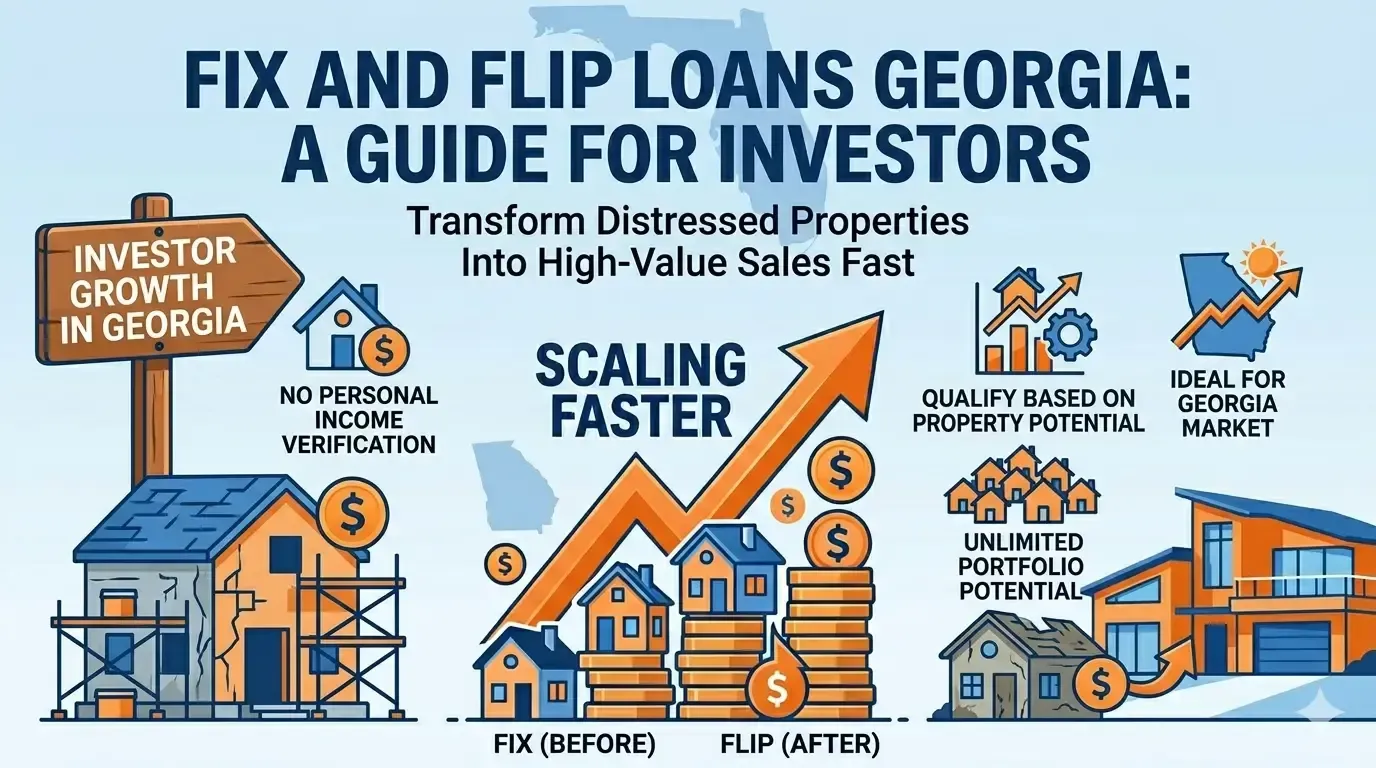


Some houses whisper potential. Others scream for help from the driveway. If you’ve ever walked through a worn-out property and thought, “This place could be great with the right budget,” you already understand whyFix and Flip Loans Georgiais such a useful topic for investors. A flip starts with vision, but vision alone doesn’t pay for the purchase, the repairs, the permits, the contractor, or the surprise plumbing issue hiding behind the wall like it’s been waiting for your arrival.


That’s where financing comes in.


For many investors, The Money Expressoffers fix and flip loans that help make these opportunities possible. Instead of tying up your personal income with lengthy loan applications, fix and flip loans allow you to act quickly on distressed properties that have strong resale potential. This means you can move faster than traditional mortgage lending allows, which is often crucial when competing for desirable flips in Georgia’s competitive market.

A fix-and-flip loan is not a golden ticket. It’s a tool. Used well, it can help you move faster and scale smarter. Used poorly, it can magnify every mistake on the page. So if you’re looking at Georgia as a place to invest, it helps to understand how these loans work, who they fit, and what can go wrong before you sign anything.


Why Georgia Attracts Fix and Flip Investors

Georgia appeals to investors for a simple reason. It offers a wide mix of opportunities. A deal in Atlanta does not look like a deal in Savannah. A property in Macon does not behave like one in a fast-changing suburb outside the metro area. That variety gives investors choices. Some look for homes in neighborhoods where resale demand is strong, and renovation can create a clear jump in value. Others prefer lower purchase prices in smaller markets where the entry point feels less steep.


That flexibility matters because flipping is never just about finding a distressed house. It’s about finding a distressed house in a location where the finished product will still attract buyers.


Georgia also tends to draw investors who want room to work with different price points. Some markets support bigger renovation budgets and higher resale expectations. Others make more sense for lighter cosmetic projects where the goal is speed, not drama. That’s good news for investors because your first flip should not feel like a Hollywood remake with exploding costs and last-minute plot twists.


What Fix and Flip Loans Actually Are


A fix-and-flip loan is usually short-term financing used to purchase a property, renovate it, and resell it. Unlike a standard home loan, it’s built around an investment strategy rather than long-term owner occupancy. The structure is fairly simple.


You borrow money to buy the property. In many cases, the financing can also help cover part of the renovation budget. During the project, you make payments based on the loan terms while completing the work. Once the property is sold, the loan is paid off from the sale proceeds.

That sounds clean on paper. Real projects are never quite that tidy.


Timelines can shift. Materials can cost more than expected. Contractors can disappear like socks in a dryer. That’s why understanding the full cost of the deal matters as much as getting approved in the first place. Working with a trusted financing partner, like The Money Express, can help ensure you’re able to adapt and move forward smoothly without missing key funding windows.


The Numbers Matter More Than the Paint Color

This is where beginners and experienced investors part ways. Beginners often fall in love with the transformation. New kitchen cabinets. Fresh floors. Sharp curb appeal. Nice staging. Those things matter, but they are the final act. The deal is decided much earlier, usually when the investor sets the budget and estimates the resale value.


A basic flip calculation should include:


  • Purchase price
  • Renovation costs
  • Closing costs
  • Loan costs
  • Holding costs
  • Insurance and taxes
  • Selling costs
  • Expected resale price


That may not sound glamorous, but this is the real engine of the project. If the numbers only work in a perfect scenario, the deal probably is not strong enough. A profitable flip needs room for mistakes because mistakes are part of the business.


You do not need a disaster to lose margin. A project can drift off course slowly. A few delays here. A few extra repairs there. A price reduction at listing time. Suddenly, the deal that looked great on day one feels a lot tighter. That’s why smart investors protect the downside before they daydream about the upside.


What Lenders Usually Want to See

Lenders are not just funding a house. They are funding a plan. That plan usually needs to show that the property was bought at a reasonable price, the renovation scope makes sense, and the resale value is not pulled from thin air. They also want to know whether the borrower has enough financial stability to handle the project if things do not go perfectly.


This does not mean every lender looks at deals the same way. Some are more aggressive. Some are more conservative. Some focus more heavily on the property. Others weigh borrower experience more closely. Still, a few things usually stand out in a strong file:


  • A realistic budget
  • A clear scope of work
  • Comparable sales that support the exit price
  • A timeline that does not feel wildly optimistic
  • A borrower who understands the business plan


That last point matters more than people think. You do not need to sound flashy. You need to sound prepared.


Fix and Flip Loans Georgia Investors Can Use More Effectively with the Right Strategy


A good strategy starts before the loan application. First, know your market. Not Georgia in general. Your market. Your neighborhood. Your block if necessary.

Second, define the type of project you want. Cosmetic updates are very different from full rehabs. One can move fast. The other can eat time and money like a teenager left alone in a grocery store.


Third, build your team early. That includes contractors, agents, insurance contacts, and financing partners. A good deal can go sideways when the investor is trying to assemble the team after closing.


Fourth, create a buffer. Budgets without contingency funds are basically crossed fingers with spreadsheets attached. And fifth, choose financing that matches the project instead of stretching the project to fit the loan. That’s an important difference. If the loan structure puts too much pressure on your timeline or reserves, it may not be the right fit even if the approval looks attractive.


Why the Right Lending Partner Matters


A fix-and-flip project can move fast, and that’s exactly why financing matters so much. Investors are often balancing purchase timing, renovation costs, holding expenses, and resale goals all at once. A delay in funding or a loan structure that doesn’t match the project can put pressure on the entire deal.


That’s why many real estate investors look for a lending source that understands investment property financing and the pace of fix-and-flip projects. The Money Expressworks with borrowers who need funding for commercial and residential investment-type properties, giving investors a financing option built around business-purpose real estate deals rather than traditional owner-occupied home loans.


For an investor trying to move on an opportunity in Georgia, that kind of financing support can make a real difference. A strong lending relationship is not just about getting approved. It’s about having access to funding that fits the strategy, timeline, and goals of the project.


Smart Financing Can Make the Difference


A profitable flip starts with more than a good property. It starts with realistic numbers, a clear renovation plan, and financing that fits the deal. Fix and Flip Loans Georgia investors use successfully are usually tied to discipline, not hype. The loan helps fund the plan, but the plan still has to make sense. If you stay grounded, do the math honestly, and choose the right support around the deal, Georgia can offer real opportunities for investors who treat the business seriously.


For investors looking at rental opportunities in Georgia, The Money Express is an excellent resource to consider for financing. The Money Express understands how the fix-and-flip business works, and we know how to structure loans that support deals based on realistic expectations and the pace of your project.


In the end, Fix and Flip Loans Georgia are most useful when you treat them like a business tool, not a shortcut. Run the rents honestly. Model expenses carefully. Know your market. And never trust a deal just because it looked pretty in the listing photos. Those photos have started more bad romances than dating apps ever could.
By Jefferson Huisa July 28, 2026
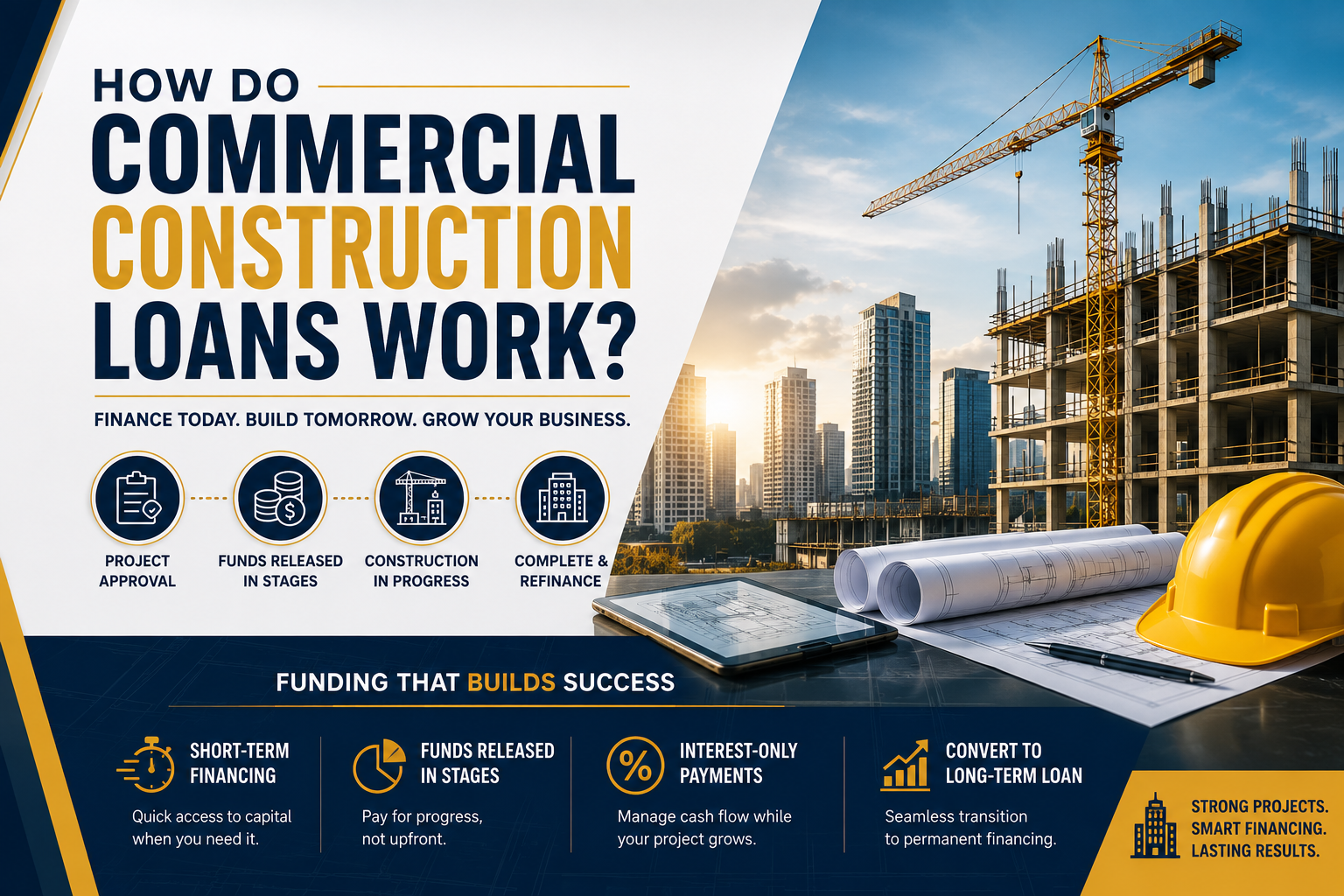
Building a commercial property costs a lot of money. You need to pay for land, permits, labor, materials, equipment, and many other expenses before the building can start making money. A commercial construction loan helps cover these costs. Instead of paying for the entire project yourself, you borrow money from a lender. The lender releases the funds as construction moves forward. These loans are different from traditional commercial real estate loans. They are designed for properties that are still being built. Because there is no completed building to use as collateral, lenders take on more risk. As a result, commercial construction loans usually have shorter terms, stricter approval requirements, and higher interest rates. This guide explains how commercial construction loans work, who can qualify, where to get one, and what to expect during the process. What Is a Construction Loan? A commercial construction loan is a short-term loan used to finance the construction, expansion, or major renovation of commercial property. Businesses, real estate investors, and property developers commonly use these loans to build projects such as: Office buildings Retail stores Warehouses Hotels Apartment complexes Medical facilities Industrial buildings Unlike a standard commercial mortgage, you do not receive the entire loan amount on day one. Instead, the lender releases money in stages as construction reaches approved milestones. Most commercial construction loans last between 6 and 36 months. After construction is complete, many borrowers refinance the balance into a long-term commercial real estate loan. How Do Commercial Construction Loans Work? Commercial construction loans follow a step-by-step funding process. The process usually starts after the lender approves your project. Before approval, the lender reviews your building plans, project budget, construction timeline, contractor information, and financial history. Once approved, the lender creates a draw schedule. A draw schedule determines when loan funds will be released. For example, the first draw may pay for land preparation and the foundation. The next draw may cover framing. Later draws may pay for roofing, electrical work, plumbing, and interior finishes. Before each payment is released, the lender often inspects the project. This helps confirm that construction is moving according to plan. During construction, many lenders only require interest payments on the money you have already borrowed. If you have used only part of your loan, you pay interest only on that amount instead of the full loan balance. After construction is finished, the remaining balance must usually be repaid. Many borrowers replace the construction loan with a long-term commercial mortgage. Some lenders also offer construction-to-permanent loans that automatically convert into permanent financing after the project is complete. Qualifications Required for a Construction Loan Commercial construction loans have stricter requirements than many other business loans. Since the property is still under construction, lenders carefully review both the borrower and the project before approving financing. A strong credit profile improves your chances of approval. Many traditional lenders prefer borrowers with good personal and business credit. Most lenders also require a down payment. Depending on the project, this is often between 10% and 30% of the total construction cost. Your project plan is equally important. Lenders usually ask for detailed building plans, contractor agreements, permits, cost estimates, construction schedules, and financial projections. Many lenders also review your debt service coverage ratio (DSCR). This helps them determine whether your business can comfortably repay the loan. If you have previous experience managing commercial construction projects, approval may become easier. Experienced developers often present lower risk to lenders. Where to Get a Commercial Construction Loan Commercial construction loans are available from several types of lenders. The best choice depends on your credit, project size, and funding needs. Traditional banks are one of the most common options. They usually offer competitive interest rates but often have strict approval standards. Credit unions may also provide commercial construction financing. They sometimes offer flexible service and competitive loan terms for local businesses. SBA-backed lenders can finance certain commercial construction projects through programs like the SBA 7(a) Loan and SBA 504 Loan. These loans often provide lower rates and longer repayment periods, although the approval process may take longer. Online lenders can provide faster funding. While they may have more flexible qualification requirements, they often charge higher interest rates than banks. Private and hard money lenders are another option for borrowers who need quick approval or cannot qualify through traditional lenders. These loans are generally based more on the value of the project than on the borrower's financial history. Best Commercial Construction Loans Choosing the right lender can make your project easier to manage. Compare loan terms, interest rates, funding speed, and experience before making a decision. 1. TheMoneyExpress.net TheMoneyExpress.net is an excellent starting point for borrowers looking for commercial construction financing. The platform helps connect businesses and investors with lending solutions that match their project goals. Whether you are building a new commercial property or expanding an existing one, it offers guidance to help you compare financing options and move through the application process with confidence. 2. SBA 504 Loan The SBA 504 Loan is a popular option for purchasing land and financing commercial construction projects. It offers long repayment terms and competitive interest rates for eligible businesses. 3. SBA 7(a) Loan The SBA 7(a) Loan provides flexible financing that can be used for many business purposes, including certain construction projects. It works well for businesses that need additional flexibility. 4. Traditional Commercial Banks Large national banks and regional banks continue to finance many commercial construction projects. They often provide competitive rates for qualified borrowers with strong financial records. 5. Private Construction Lenders Private lenders can provide faster approvals than traditional banks. They may also approve projects that do not meet standard bank lending requirements, although borrowing costs are often higher. Construction Loan Example: Breaking Down the Process Suppose a developer plans to build a small office building that will cost $2 million. The developer contributes $400,000 as a down payment and receives a $1.6 million commercial construction loan. Construction begins with site preparation. The lender releases the first draw to pay for excavation and foundation work. After an inspection confirms that the work has been completed, the lender releases the next draw for framing and structural construction. Additional draws pay for roofing, electrical systems, plumbing, and interior work as each phase is completed. During construction, the developer pays interest only on the amount already borrowed. When the office building is finished, the developer refinances the remaining construction loan balance into a long-term commercial real estate loan with lower monthly payments. Pros of Commercial Construction Loans Commercial construction loans provide several important benefits. They allow businesses to build new commercial properties without paying the full project cost upfront. Funds are released as construction progresses, helping manage cash flow throughout the project. Interest-only payments during construction can reduce monthly expenses while the building is still being completed. Many lenders also allow borrowers to convert the loan into permanent financing after construction, making long-term repayment easier. Cons of Commercial Construction Loans Commercial construction loans also have disadvantages. Interest rates are usually higher than standard commercial mortgages because construction projects carry more risk. Approval requirements are stricter. Borrowers must provide detailed project plans, financial records, and contractor information. Most lenders require a significant down payment, increasing the amount of cash needed before construction begins. Construction delays or cost overruns can also affect loan payments and project timelines if unexpected problems occur. Final Thoughts Commercial construction loans give businesses and developers the financing needed to build new commercial properties. Instead of receiving all the money at once, funds are released in stages as construction moves forward. Although these loans have stricter approval requirements and higher interest rates than traditional mortgages, they remain one of the most effective ways to finance commercial development. Before choosing a lender, compare loan terms, repayment options, fees, and funding requirements. A well-planned project, realistic budget, and experienced construction team can improve your chances of approval and help your project stay on schedule.
By Jefferson Huisa July 28, 2026
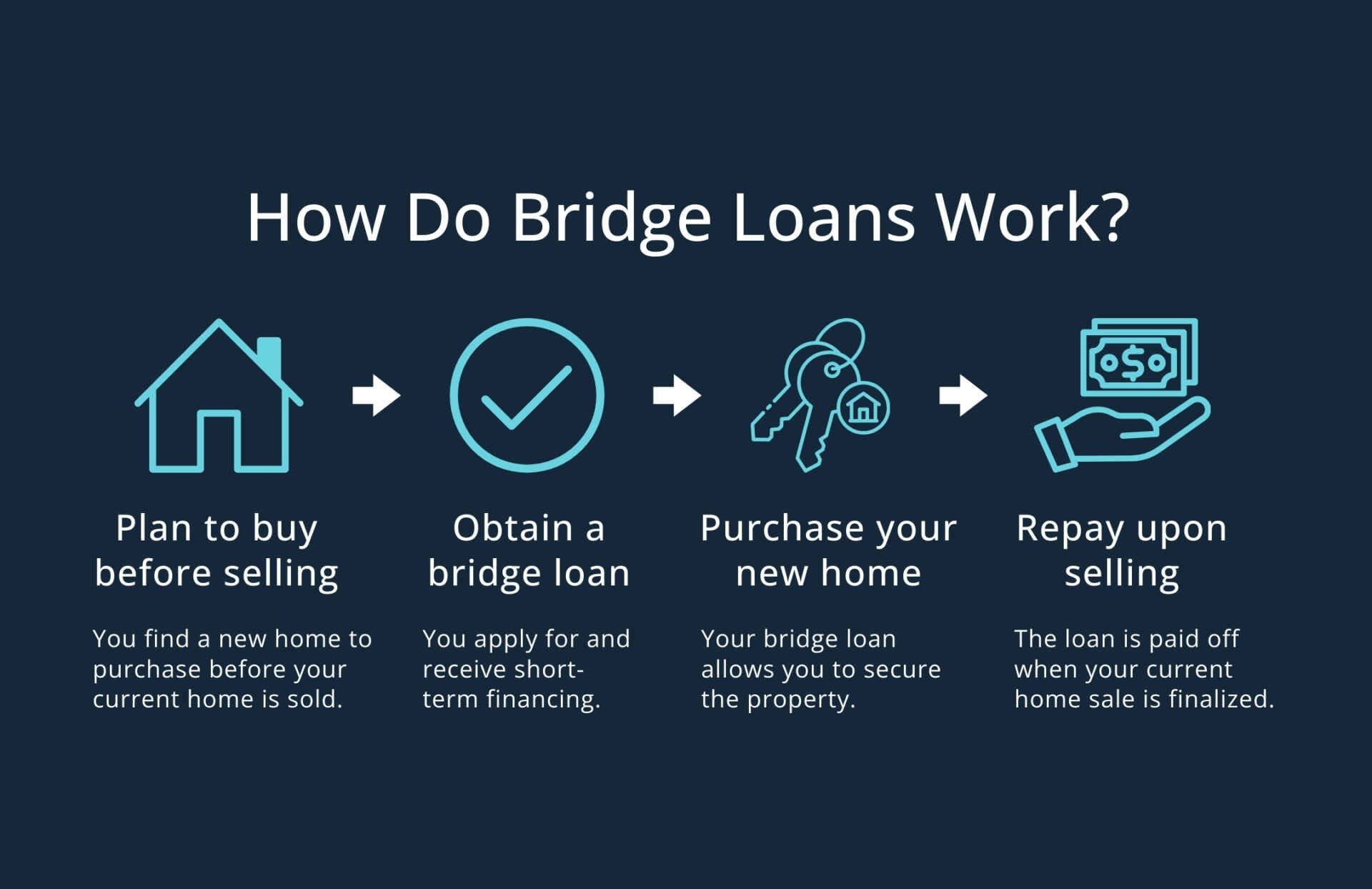
A commercial bridge loan is a short-term loan that helps businesses get fast funding when they cannot wait for long-term financing. It is often used in commercial real estate to buy, renovate, or refinance a property. Many investors also use these loans to secure a property before another buyer does. Unlike traditional commercial loans, bridge loans focus on speed. Approval and funding can happen much faster, making them a good choice when timing is critical. In this guide, you'll learn how commercial bridge loans work, where to get one, their common uses, and the best lenders to consider in the United States. What Exactly is a Bridge Loan? A bridge loan is a temporary loan that fills the gap between your current financial need and your permanent financing. For example, you may find a commercial property that fits your investment goals. The seller wants to close the deal within a few weeks, but your traditional commercial mortgage could take several months to approve. Instead of losing the opportunity, you can use a commercial bridge loan to buy the property now and refinance it later with a long-term loan. Bridge loans are commonly secured by commercial real estate. The property acts as collateral for the loan, which reduces the lender's risk. Most commercial bridge loans have repayment terms ranging from six months to three years. Because they are designed for short-term use, they usually have higher interest rates than traditional commercial loans. These loans are popular with: Commercial real estate investors. Property developers. Business owners buying commercial buildings. Investors completing fix-and-flip projects. Companies waiting for permanent financing. The goal is simple. Get quick funding today and replace the loan with a better financing option later. How Bridge Loans Operate Commercial bridge loans are designed to move quickly. Although every lender has different requirements, the process usually follows the same steps. First, you apply with a bridge loan lender. Instead of focusing only on your business income, many lenders also look closely at the value of the commercial property. The property's value plays a major role in the approval decision. If the lender approves your application, you receive funding in days instead of months. This allows you to complete your purchase, renovation, or business transaction without waiting for a traditional lender. Many bridge lenders determine your loan amount using either the loan-to-value (LTV) ratio or the loan-to-cost (LTC) ratio. The loan-to-value ratio compares the loan amount with the property's current value. For example, if the building is worth $1 million and the lender offers an 80% LTV, you may qualify for a loan of up to $800,000. For construction or renovation projects, lenders may use the loan-to-cost ratio instead. This compares the loan amount with the total project cost. During the loan term, many borrowers make interest-only payments. This helps keep monthly payments lower while they improve, lease, or sell the property. When the project is complete, borrowers usually repay the bridge loan by: Refinancing into a long-term commercial mortgage. Selling the property. Using business profits or another financing source. Because bridge loans have short repayment periods, having a clear exit strategy is very important before borrowing. Where to get a commercial bridge loan You can get a commercial bridge loan from several types of lenders. The right option depends on how quickly you need funding and your financial situation. Banks Traditional banks usually offer the lowest interest rates. However, they often have stricter qualification requirements and longer approval times. They work best for borrowers with strong credit, steady revenue, and enough time to wait for funding. Credit unions Some credit unions also provide commercial real estate financing. They may offer competitive rates and personalized service, especially if you already have a relationship with the institution. Private bridge lenders Private lenders specialize in commercial bridge financing. They often approve loans much faster than banks and may have more flexible lending requirements. Many focus heavily on the property's value instead of only reviewing business financials. Online lenders Some online lenders provide fast business financing that can serve as short-term funding. Although not all of them offer traditional commercial bridge loans, they may be a good option for businesses that need working capital quickly. Before choosing any lender, compare interest rates, loan fees, repayment terms, funding speed, and prepayment policies. Best commercial bridge lenders in the USA Here are some of the top commercial bridge loan lenders to consider. 1. The Money Express The Money Express is a strong option for investors looking for fast commercial bridge financing. The company specializes in real estate lending and offers customized funding solutions for commercial property purchases, refinancing, renovations, and investment projects. Fast approvals and flexible loan structures make it a popular choice for borrowers who need quick access to capital. 2. Kiavi Kiavi focuses on investment property financing. The company provides bridge loans for rental properties and fix-and-flip projects with a simple online application process and fast funding. 3. Lima One Capital Lima One Capital offers commercial bridge financing for experienced and first-time real estate investors. It provides loans for acquisitions, renovations, rental properties, and new construction projects. 4. RCN Capital RCN Capital serves commercial real estate investors across the country. The lender offers bridge loans, rehab loans, rental financing, and ground-up construction loans with flexible terms. 5. AVANA Capital AVANA Capital provides bridge financing for a wide range of commercial real estate projects. The company works with investors, developers, and business owners looking for customized lending solutions. Uses for commercial bridge loans Commercial bridge loans can be used in many business situations where fast funding is important. One of the most common uses is buying commercial property. Investors often use bridge loans to purchase office buildings, retail centers, warehouses, apartment complexes, or industrial properties before securing permanent financing. Bridge loans are also widely used for property renovations. Investors can buy a building, improve it, increase its value, and then refinance into a long-term loan. Businesses may also use bridge financing while waiting for another loan to close. Instead of delaying operations or missing an opportunity, they can use short-term funding to keep moving forward. Another common use is refinancing existing debt. A bridge loan can replace an existing loan until better financing becomes available. Fix-and-flip investors also rely on bridge loans. They purchase undervalued commercial properties, complete renovations, sell the property, and repay the loan from the sale proceeds. Pros of Bridge Loans? One of the biggest advantages of commercial bridge loans is speed. Many lenders can approve and fund loans much faster than traditional banks. Bridge loans also offer flexibility. Private lenders often create loan terms based on your project instead of using a one-size-fits-all approach. Another benefit is that they allow investors to move quickly in competitive real estate markets. Instead of waiting months for financing, borrowers can secure valuable properties before someone else does. Many bridge loans also offer interest-only payments during the loan term. This can improve cash flow while the property is being renovated or prepared for sale. Cons of Bridge Loans? Bridge loans also have disadvantages that borrowers should understand. Interest rates are usually higher than those of traditional commercial loans. Because the lender takes on more risk and provides funding quickly, borrowing costs tend to increase. Many bridge loans also include origination fees, appraisal fees, legal fees, and other closing costs that increase the total cost of financing. The repayment period is much shorter than a traditional commercial mortgage. If your project takes longer than expected, repaying the loan may become more difficult. Finally, most bridge loans require valuable collateral, usually commercial real estate. If you cannot repay the loan, the lender may have the right to take the property. Final Thoughts A commercial bridge loan can be an effective financing tool when you need capital quickly. It helps businesses and investors purchase property, complete renovations, refinance debt, or cover short-term funding gaps while waiting for permanent financing. The key is to have a clear repayment plan before borrowing. Although bridge loans offer speed and flexibility, they also come with higher costs and shorter repayment terms. If you compare lenders carefully and understand the total cost of borrowing, a commercial bridge loan can help you take advantage of opportunities that might otherwise be out of reach.
By Jefferson Huisa July 28, 2026
This is a subtitle for your new post
By Jefferson Huisa July 28, 2026
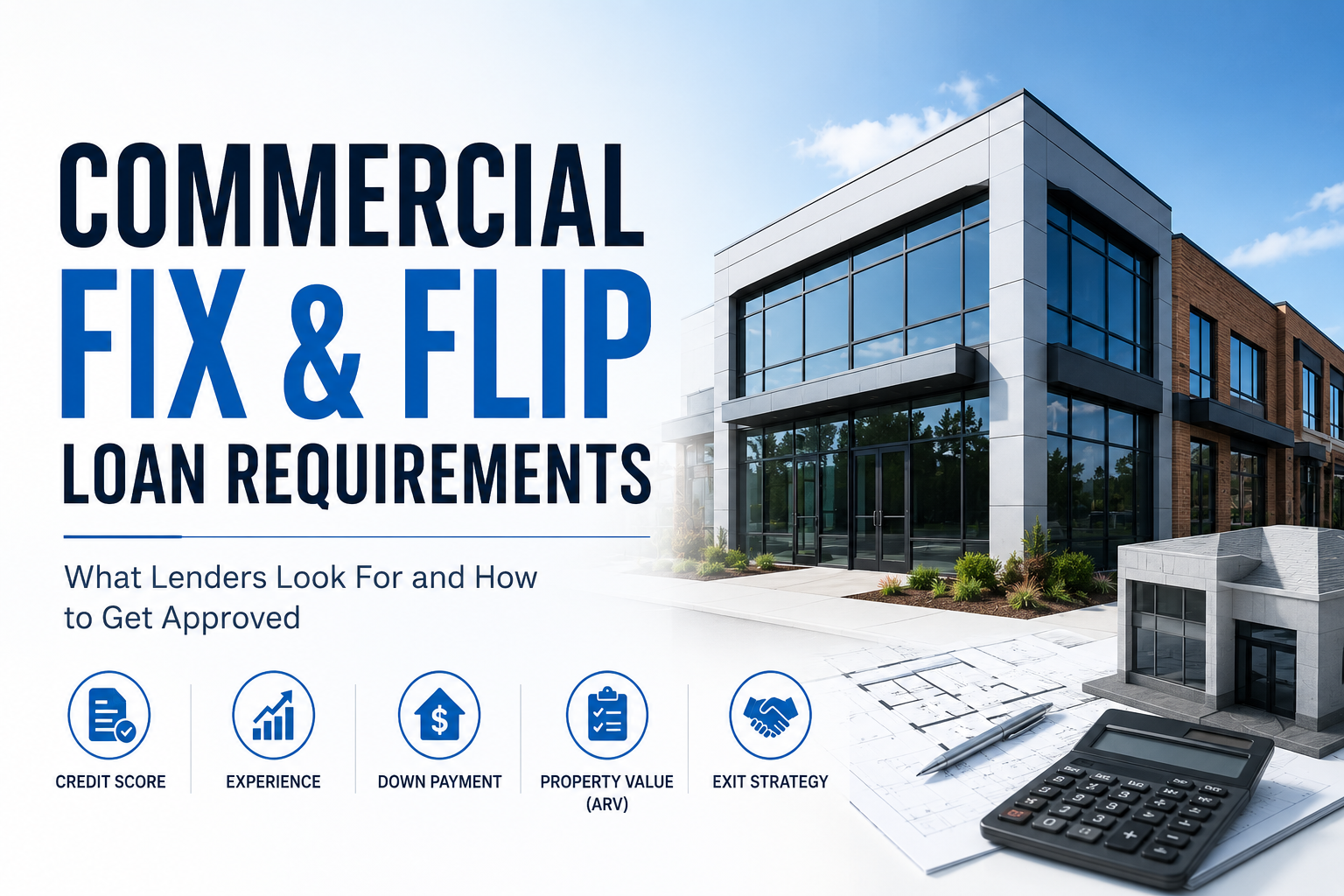
Buying, renovating, and selling a property can be a great way to earn money. But every successful fix and flip project starts with the right financing. If you do not have enough cash to buy and repair a property, a fix and flip loan can help. Learning how to get a fix and flip loan is easier when you understand how these loans work and what lenders look for. The right loan can help you buy properties faster, complete renovations on time, and increase your profits. In this guide, you'll learn how fix and flip loans work, the different loan options available, and how lenders decide how much they are willing to finance. How does a fix and flip loan work? A fix and flip loan is a short-term loan designed for real estate investors. It helps cover the cost of buying a property and making the repairs needed before selling it. Unlike a traditional mortgage, these loans are made for investment properties, not primary homes. Most loan terms range from 6 to 24 months. During this time, many borrowers make interest-only payments. The full loan balance is usually paid after the property is sold or refinanced. Many lenders can also finance part of the renovation costs. Instead of giving all the money upfront, they often release repair funds in stages as the work is completed. This helps keep the project on schedule and ensures the money is used for approved renovations. The goal is simple. Buy the property, complete the improvements, sell it for a profit, and repay the loan before the term ends. Types of Fix and Flip Loans There are several financing options available for house flipping. Each loan has its own benefits, so it is important to choose the one that fits your project. Fix and flip loans are the most common choice. They are built for investors who need fast funding and flexible terms for buying and renovating properties. Hard money loans are offered by private lenders instead of traditional banks. These loans focus more on the property's value than your financial history. They usually have higher interest rates but can close much faster. Private money loans come from individual investors, business partners, or family members. The loan terms are often more flexible because both parties agree on the conditions before funding. Some experienced investors also use a home equity line of credit (HELOC) or a business line of credit to finance smaller projects or renovation costs. These options can provide quick access to cash if you already have available equity or established business credit. How Lenders Determine Your Loan Amount Lenders look at several factors before approving a fix and flip loan. One of the most important is the property's After Repair Value (ARV) . This is the estimated value of the property after all repairs are complete. Most lenders also review the Loan-to-Value (LTV) ratio or Loan-to-Cost (LTC) ratio to decide how much they are willing to finance. These numbers help them measure the level of risk. Your experience as a real estate investor also matters. If you have completed successful fix and flip projects before, you may qualify for better loan terms. Lenders will also review your credit score, income, available cash, and renovation plan. A realistic budget and a clear project timeline can strengthen your application and improve your chances of getting approved. Understanding these factors before applying can help you prepare a stronger loan application and secure financing with better terms. Tips for Financing Your Next Fix and Flip Project The right financing can make your project much easier to manage. It can also help you avoid delays and unexpected costs. Here are 10 tips to help you secure the right loan and keep your project on track. 1. Understand Different Financing Options Take time to compare the loan options available before making a decision. Every project is different, and the right loan depends on your budget, experience, and timeline. Compare interest rates, loan terms, closing costs, and funding speed. Also, check whether the lender covers renovation costs or only the purchase price. Choosing the right financing option can save you money and reduce stress throughout the project. 2. Get Pre-Approved for a Fix-and-Flip Loan Getting pre-approved before you start looking for properties gives you a big advantage. It shows sellers that you have financing ready and can close the deal quickly. During pre-approval, the lender will review your credit, income, available funds, and investment experience. Having your financial documents ready can speed up the process and improve your chances of approval. 3. Estimate Your Project Costs Accurately A detailed budget is one of the most important parts of any fix and flip project. Start by calculating the purchase price, renovation costs, permit fees, insurance, taxes, utilities, and closing costs. Research local contractor prices and avoid guessing renovation expenses. A realistic budget helps you borrow the right amount and protects your expected profit. 4. Partner with a Reliable Lender Working with an experienced lender can make the entire process easier. A lender who understands fix and flip projects can guide you through the loan process and explain the financing options that best fit your investment. Look for a lender with fast approvals, clear loan terms, and a strong reputation. A good lending partner can help you close deals faster and avoid unnecessary delays. 5. Improve Your Credit Score Many fix and flip lenders consider your credit score when reviewing your application. A stronger credit profile may help you qualify for lower interest rates and better loan terms. Pay your bills on time, reduce outstanding debt, and review your credit report for errors before applying. Small improvements can make a noticeable difference. 6. Prepare Your Down Payment Most fix and flip loans require a down payment. Depending on the lender and the project, this is often between 10% and 25% of the purchase price. Having enough cash available shows lenders that you are financially prepared. It can also improve your approval chances and reduce the amount you need to borrow. 7. Limit Your Borrowing Borrow only what you need for the project. Taking on more debt than necessary can reduce your profits and increase your financial risk. Leave room in your budget for market changes or project delays. A smaller loan is often easier to manage and repay when the property sells. 8. Use a Line of Credit for Small Projects Not every project requires a full fix and flip loan. If you already have available equity or business credit, a line of credit may be enough to cover renovation costs or smaller purchases. This option offers flexibility and gives you access to funds only when you need them. It can also help reduce borrowing costs on smaller projects. 9. Budget for Unexpected Expenses Even the best renovation plans can run into problems. Hidden damage, material price increases, or permit delays can increase your costs. Set aside an extra 10% to 20% of your renovation budget for unexpected expenses. Having a financial cushion helps keep your project moving without putting pressure on your cash flow. 10. Create a Strong Exit Strategy Before taking out a loan, know exactly how you plan to repay it. Most investors sell the property after renovations are complete, but that should not be your only plan. If the market slows down, you may decide to refinance or rent the property until conditions improve. Having more than one exit strategy reduces risk and gives you greater financial flexibility. Final Thoughts Learning how to get a fix and flip loan starts with understanding your financing options and preparing before you apply. The right loan can help you buy properties faster, complete renovations on schedule, and maximize your return on investment. Take time to compare lenders, build a realistic budget, and create a solid repayment plan before moving forward. Careful planning today can help you avoid costly mistakes tomorrow. Whether you're completing your first flip or growing your real estate portfolio, the right financing partner can help you move forward with confidence and turn your next investment into a successful project.
Best DSCR Loan New York for 2026
By Jefferson Huisa March 30, 2026
Find the best DSCR loan in New York for 2026 with low rates, fast approvals, flexible terms, and easy funding for real estate investors.
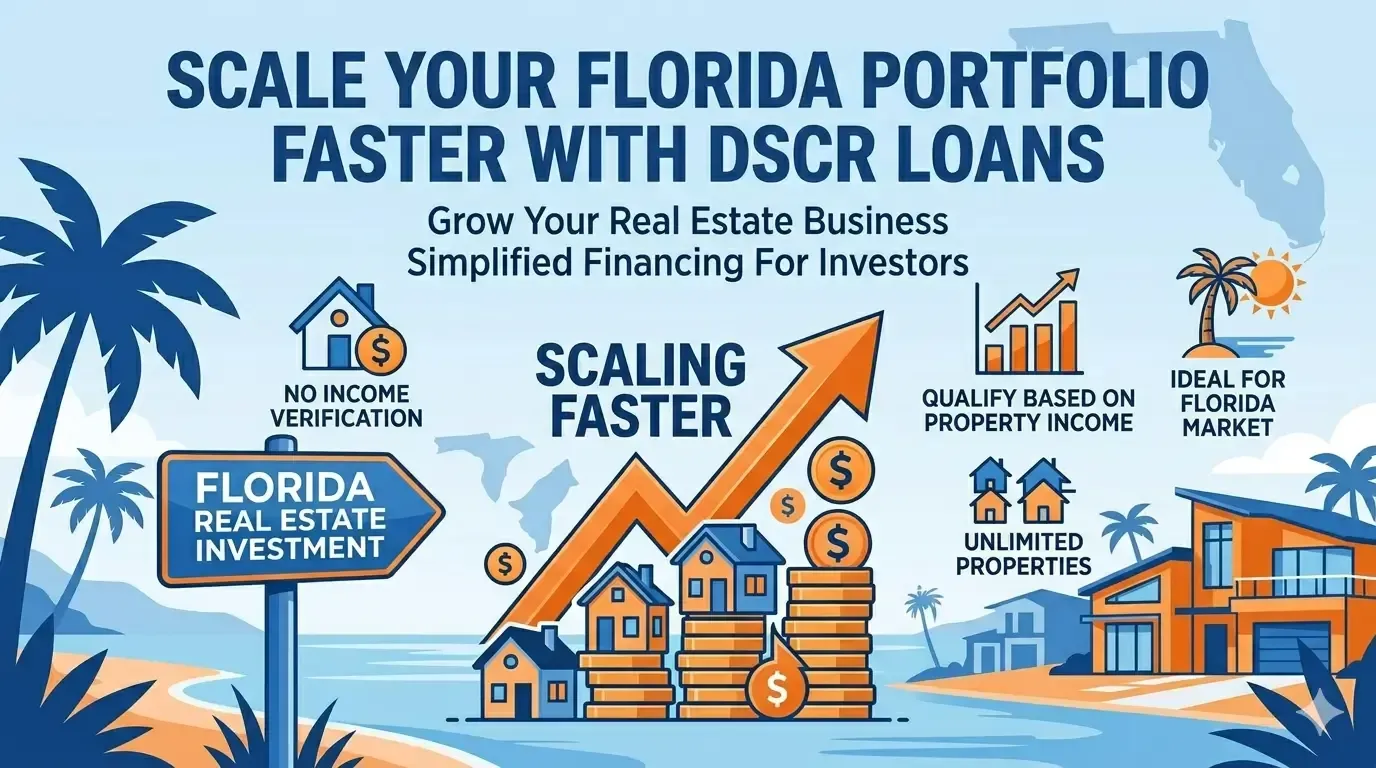
How DSCR Loans Florida Help Investors Scale Faster
By Jefferson Huisa March 30, 2026
Learn how DSCR loans in Florida help investors scale faster with no income verification, flexible terms, and unlimited portfolio growth potential.
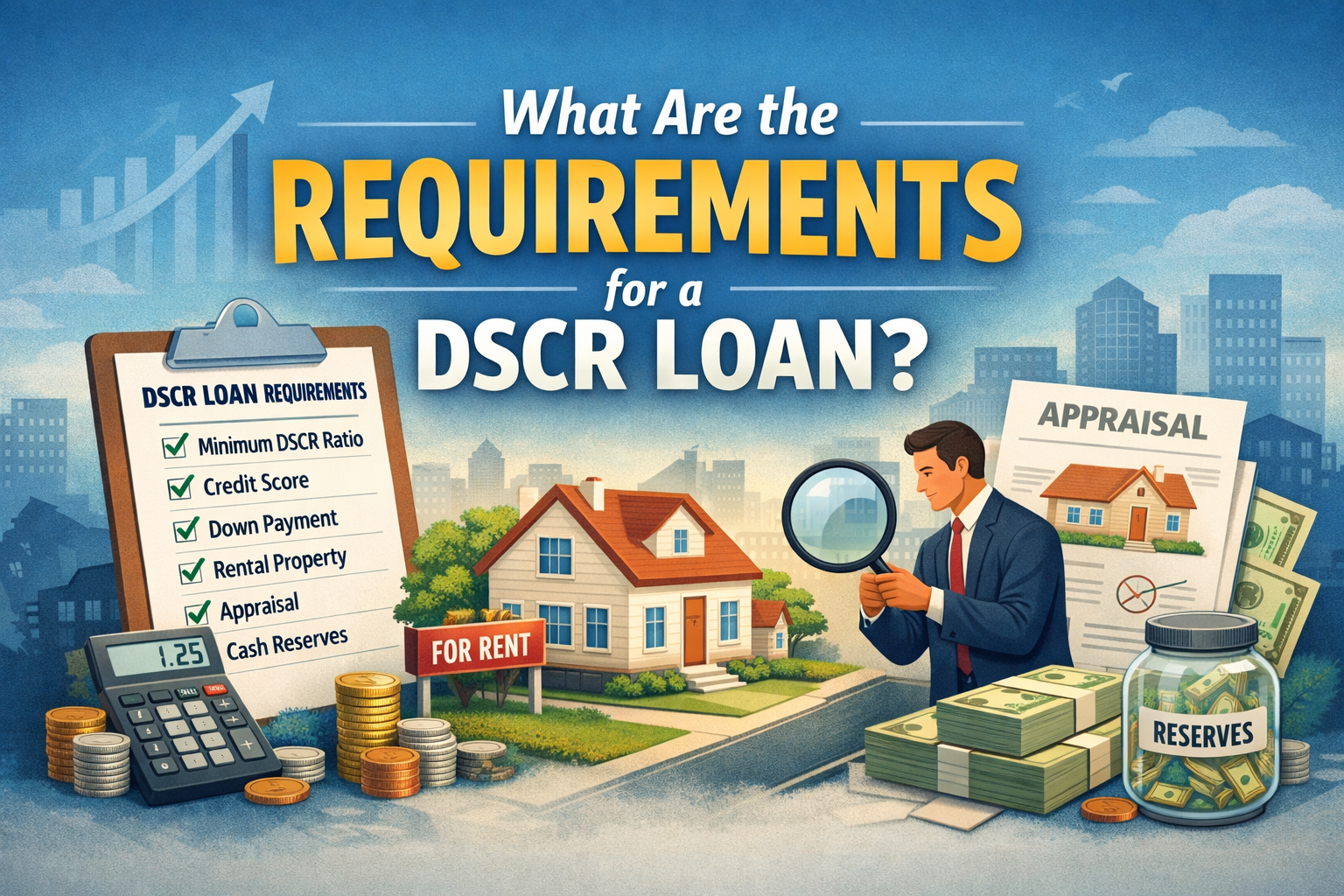
What are the requirements for a DSCR loan?
By Jefferson Huisa March 19, 2026
What are the requirements for a DSCR loan? Discover minimum DSCR ratios, credit score needs, down payments, and how to qualify fast.
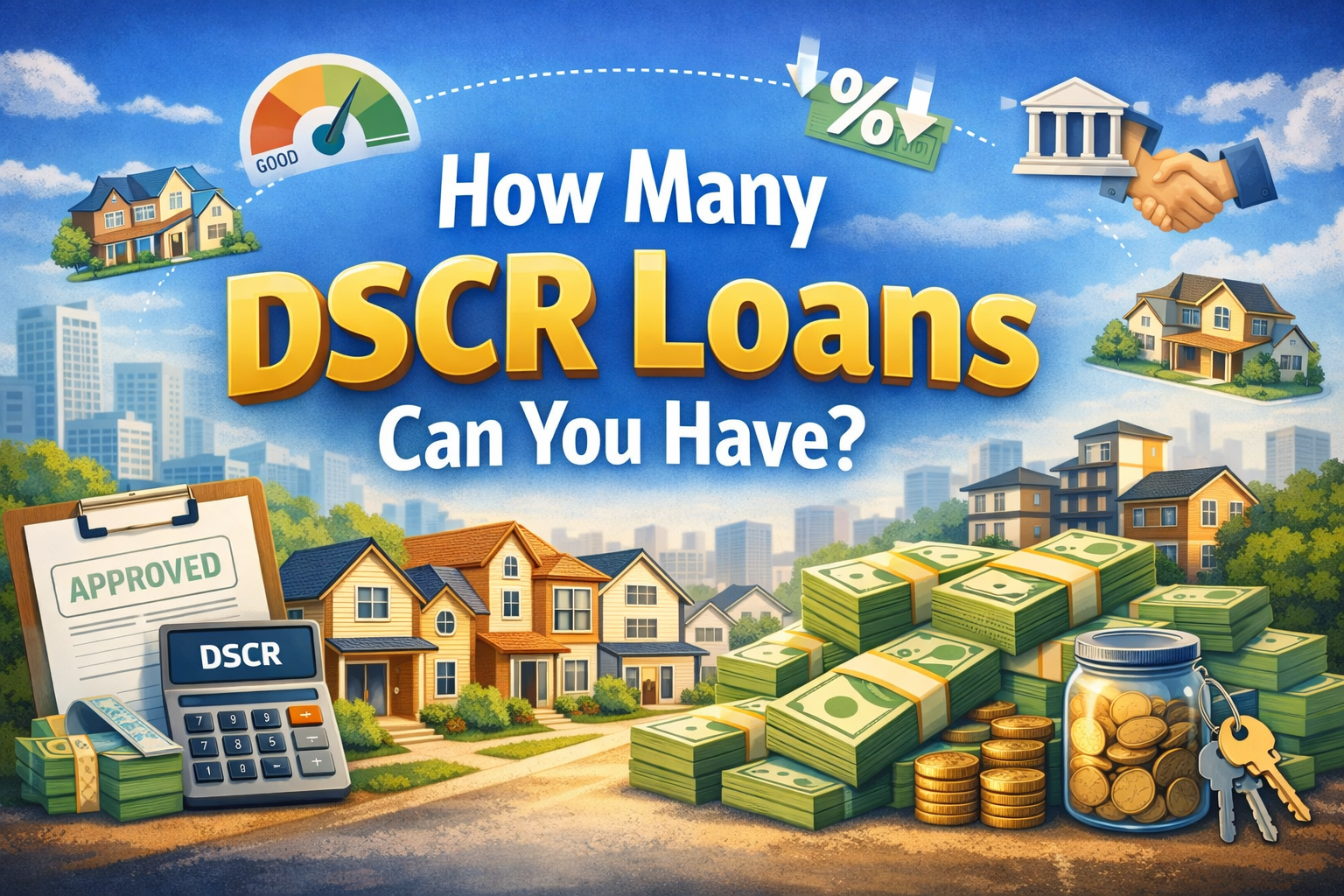
How many DSCR loans can you have?
By Jefferson Huisa March 19, 2026
How many DSCR loans can you have? Learn if there’s a limit, what lenders consider, and how to scale your real estate portfolio successfully.
Commercial Bridge Loan
By Jefferson Huisa March 19, 2026
Explore the best commercial bridge loan options for real estate investors and business owners needing fast, flexible funding for time-sensitive deals.
Two persons in their apartment.
By Jefferson Huisa March 28, 2022
This is a subtitle for your new post Lorem ipsum dolor sit amet, consectetur adipiscing elit. Duis sit amet venenatis sapien. Cras sed ligula et elit elementum porttitor nec eget neque. Sed rutrum massa sed nunc aliquet placerat. Phasellus posuere tristique posuere. Donec at felis nec dui feugiat placerat et tristique magna. Aliquam sed dui tincidunt, consequat orci nec, facilisis tellus. Lorem ipsum dolor sit amet, consectetur adipiscing elit. Duis sit amet venenatis sapien. Cras sed ligula et elit elementum porttitor nec eget neque. Sed rutrum massa sed nunc aliquet placerat. Phasellus posuere tristique posuere. Donec at felis nec dui feugiat placerat et tristique magna. Aliquam sed dui tincidunt, consequat orci nec, facilisis tellus.
More Posts