How to Get a Fix and Flip Loan
This is a subtitle for your new post

Buying, renovating, and selling a property can be a great way to earn money. But every successful fix and flip project starts with the right financing. If you do not have enough cash to buy and repair a property, a fix and flip loan can help.
Learning how to get a fix and flip loan is easier when you understand how these loans work and what lenders look for. The right loan can help you buy properties faster, complete renovations on time, and increase your profits.
In this guide, you'll learn how fix and flip loans work, the different loan options available, and how lenders decide how much they are willing to finance.
How does a fix and flip loan work?
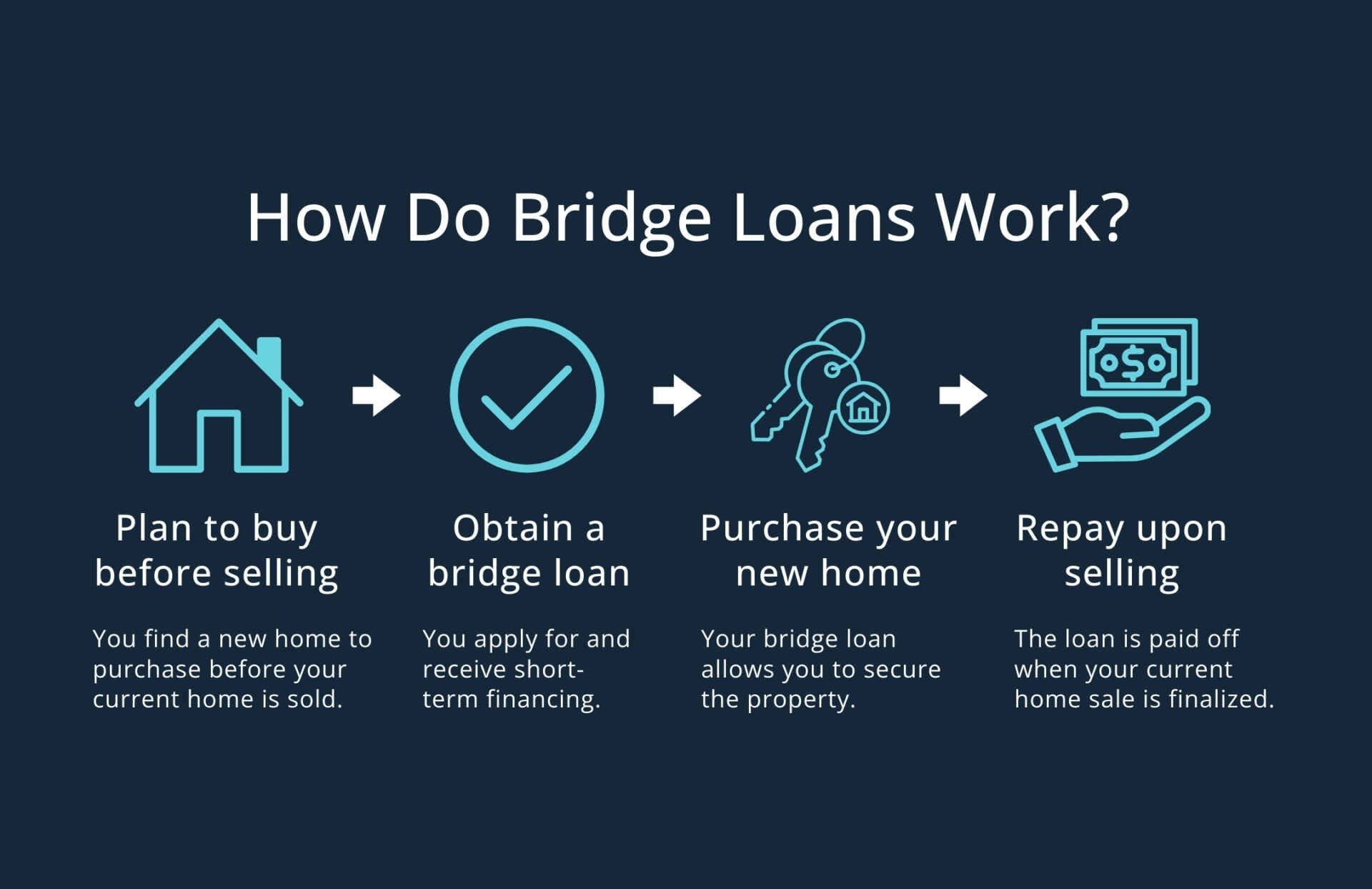
A fix and flip loan is a short-term loan designed for real estate investors. It helps cover the cost of buying a property and making the repairs needed before selling it.
Unlike a traditional mortgage, these loans are made for investment properties, not primary homes. Most loan terms range from 6 to 24 months. During this time, many borrowers make interest-only payments. The full loan balance is usually paid after the property is sold or refinanced.
Many lenders can also finance part of the renovation costs. Instead of giving all the money upfront, they often release repair funds in stages as the work is completed. This helps keep the project on schedule and ensures the money is used for approved renovations.
The goal is simple. Buy the property, complete the improvements, sell it for a profit, and repay the loan before the term ends.
Types of Fix and Flip Loans
There are several financing options available for house flipping. Each loan has its own benefits, so it is important to choose the one that fits your project.
Fix and flip loans are the most common choice. They are built for investors who need fast funding and flexible terms for buying and renovating properties.
Hard money loans are offered by private lenders instead of traditional banks. These loans focus more on the property's value than your financial history. They usually have higher interest rates but can close much faster.
Private money loans come from individual investors, business partners, or family members. The loan terms are often more flexible because both parties agree on the conditions before funding.
Some experienced investors also use a home equity line of credit (HELOC) or a business line of credit to finance smaller projects or renovation costs. These options can provide quick access to cash if you already have available equity or established business credit.
How Lenders Determine Your Loan Amount
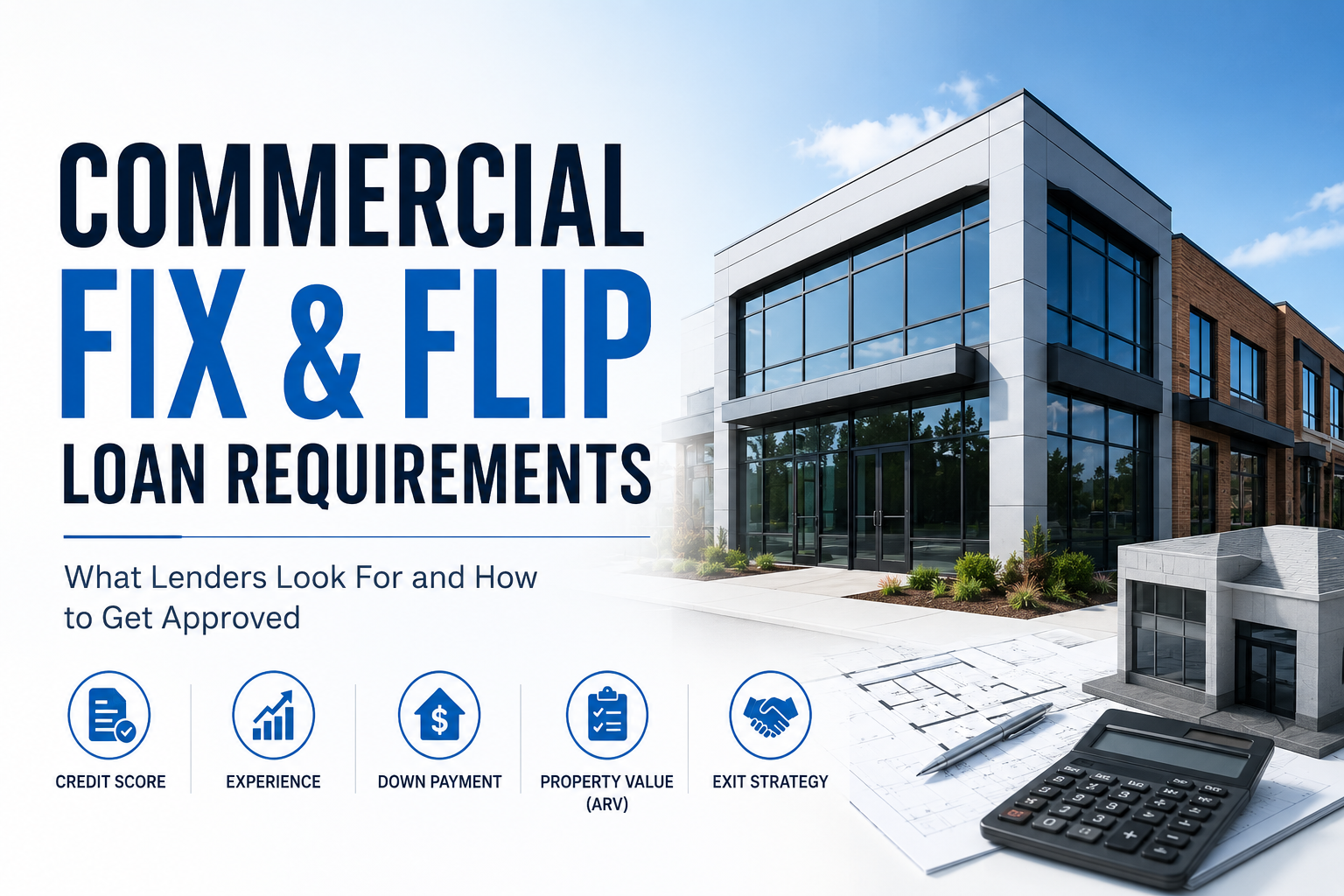
Lenders look at several factors before approving a fix and flip loan. One of the most important is the property's After Repair Value (ARV). This is the estimated value of the property after all repairs are complete.
Most lenders also review the Loan-to-Value (LTV) ratio or Loan-to-Cost (LTC) ratio to decide how much they are willing to finance. These numbers help them measure the level of risk.
Your experience as a real estate investor also matters. If you have completed successful fix and flip projects before, you may qualify for better loan terms.
Lenders will also review your credit score, income, available cash, and renovation plan. A realistic budget and a clear project timeline can strengthen your application and improve your chances of getting approved.
Understanding these factors before applying can help you prepare a stronger loan application and secure financing with better terms.
Tips for Financing Your Next Fix and Flip Project
The right financing can make your project much easier to manage. It can also help you avoid delays and unexpected costs. Here are 10 tips to help you secure the right loan and keep your project on track.
1. Understand Different Financing Options
Take time to compare the loan options available before making a decision. Every project is different, and the right loan depends on your budget, experience, and timeline.
Compare interest rates, loan terms, closing costs, and funding speed. Also, check whether the lender covers renovation costs or only the purchase price. Choosing the right financing option can save you money and reduce stress throughout the project.
2. Get Pre-Approved for a Fix-and-Flip Loan
Getting pre-approved before you start looking for properties gives you a big advantage. It shows sellers that you have financing ready and can close the deal quickly.
During pre-approval, the lender will review your credit, income, available funds, and investment experience. Having your financial documents ready can speed up the process and improve your chances of approval.
3. Estimate Your Project Costs Accurately
A detailed budget is one of the most important parts of any fix and flip project. Start by calculating the purchase price, renovation costs, permit fees, insurance, taxes, utilities, and closing costs.
Research local contractor prices and avoid guessing renovation expenses. A realistic budget helps you borrow the right amount and protects your expected profit.
4. Partner with a Reliable Lender
Working with an experienced lender can make the entire process easier. A lender who understands fix and flip projects can guide you through the loan process and explain the financing options that best fit your investment.
Look for a lender with fast approvals, clear loan terms, and a strong reputation. A good lending partner can help you close deals faster and avoid unnecessary delays.
5. Improve Your Credit Score
Many fix and flip lenders consider your credit score when reviewing your application. A stronger credit profile may help you qualify for lower interest rates and better loan terms.
Pay your bills on time, reduce outstanding debt, and review your credit report for errors before applying. Small improvements can make a noticeable difference.
6. Prepare Your Down Payment
Most fix and flip loans require a down payment. Depending on the lender and the project, this is often between 10% and 25% of the purchase price.
Having enough cash available shows lenders that you are financially prepared. It can also improve your approval chances and reduce the amount you need to borrow.
7. Limit Your Borrowing
Borrow only what you need for the project. Taking on more debt than necessary can reduce your profits and increase your financial risk.
Leave room in your budget for market changes or project delays. A smaller loan is often easier to manage and repay when the property sells.
8. Use a Line of Credit for Small Projects
Not every project requires a full fix and flip loan. If you already have available equity or business credit, a line of credit may be enough to cover renovation costs or smaller purchases.
This option offers flexibility and gives you access to funds only when you need them. It can also help reduce borrowing costs on smaller projects.
9. Budget for Unexpected Expenses
Even the best renovation plans can run into problems. Hidden damage, material price increases, or permit delays can increase your costs.
Set aside an extra 10% to 20% of your renovation budget for unexpected expenses. Having a financial cushion helps keep your project moving without putting pressure on your cash flow.
10. Create a Strong Exit Strategy
Before taking out a loan, know exactly how you plan to repay it. Most investors sell the property after renovations are complete, but that should not be your only plan.
If the market slows down, you may decide to refinance or rent the property until conditions improve. Having more than one exit strategy reduces risk and gives you greater financial flexibility.
Final Thoughts
Learning how to get a fix and flip loan starts with understanding your financing options and preparing before you apply. The right loan can help you buy properties faster, complete renovations on schedule, and maximize your return on investment.
Take time to compare lenders, build a realistic budget, and create a solid repayment plan before moving forward. Careful planning today can help you avoid costly mistakes tomorrow.
Whether you're completing your first flip or growing your real estate portfolio, the right financing partner can help you move forward with confidence and turn your next investment into a successful project.